Taro is a native of Tokyo, Japan. He has lived in the United States for 12.5 years (June 1986-November 1992, June 1994-June 2000), the United Kingdom for 3 months (September-November 1991), Taiwan for 3.5 years (September 2000-March 2004), and Australia for 10 years (April 2015-April 2025). He has been settled in Tokyo since May 2025.
People will behave humanely when they become economically well situated. On the other hand, the same people will behave inhumanely when they are economically challenged.
I want my country, Japan, to still be a humane country in Year 2076, a half-century from now, even though Japan would decline substantially economically. And the good news is that the choice is ours. Please keep it up, my fellow citizens, my comrades, my mates, my friends, and my families.
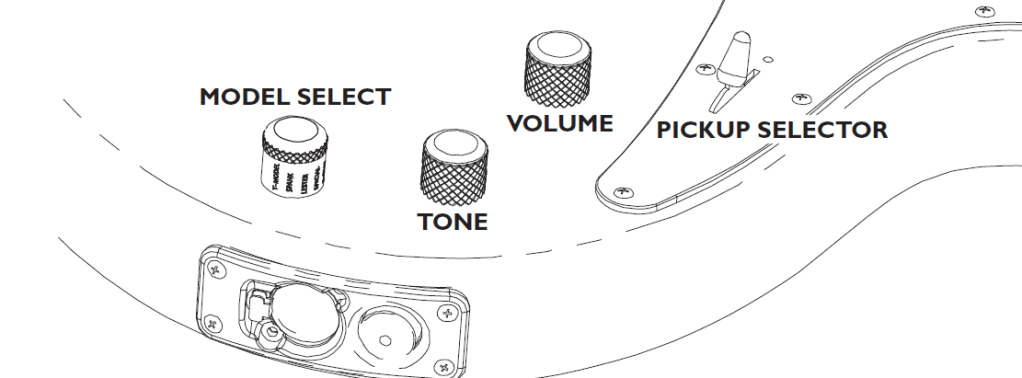
In 2003, the company Line 6 released a series of modeling guitars called Variax. It was a chameleon guitar that could change its color and tone at will. It can output a Fender Telecaster sound, a Fender Stratraster sound, a Gibson Les Paul Sound, and so forth, just by rotating one of the knobs called MODEL SELECT.
The company was later acquired by Yamaha. In 2015, it released its masterpiece, the Variax Standard, in collaboration with Yamaha, but unfortunately, it was also their last modeling guitar. So, what went wrong?
Recently, I obtained a Variax 500 in the second-hand marketplace to find out. Initially, it’s fun to play with. However, the change in the sound seemed subtler than I expected. I wondered why I felt that way.
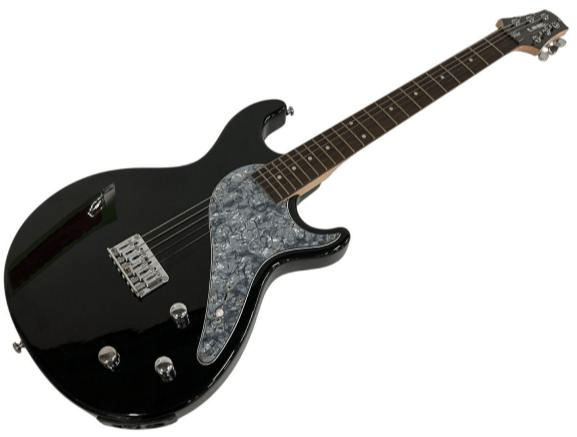
Line 6 Variax 500 Guitar Modeler
G
Soon, I figured it out. Although a modeling guitar could perfectly output the profiled sound of a 1959 Fender Stratocaster, the guitar player would never experience its looks, color, shapes, weight, etc., of the vintage guitar. All you felt was a plain, generic, unmemorable, and dull guitar. You can almost call it an “air guitar” or a faceless guitar. It would become a great CIA spy if we somehow needed to send a secret agent into the guitar world.
I concluded that people pay a huge sum of money for vintage guitars not only for the sound, but also for the experience. My Variax 500 can amazingly emulate or replicate the sounds of those famous vintage guitars, but that was not good enough. Even most people, including me, will never be able to pass the blind test on the sounds of Variax 500 vs. 1959 Fender Stratocaster. But that was not what people are looking for. You need to own the real musical instrument. Not a Chamereon guitar with no identity.
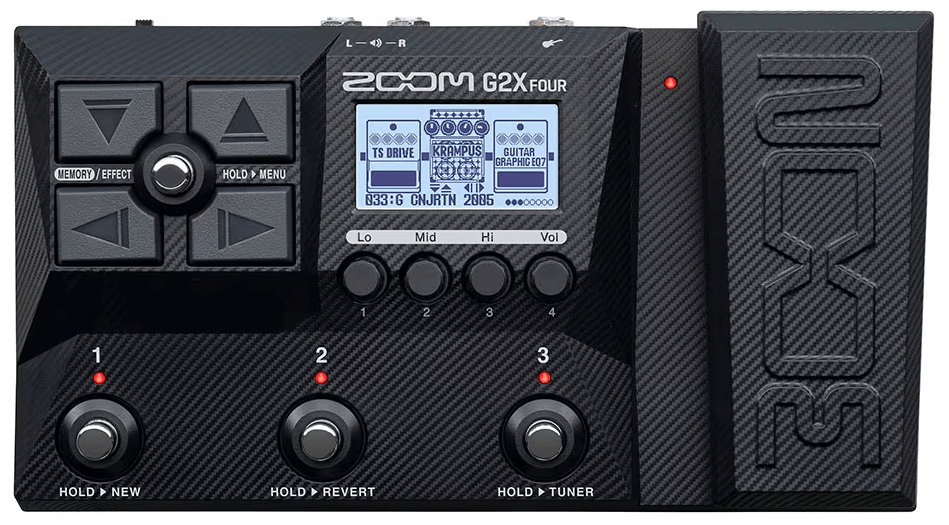
Amp modeling is a different game. Well, technically, it’s up to the person. For me, I don’t mind. I am okay with it. Because for me, amp modeling occurs after my interaction with my musical instrument, the electric guitar. I am not interested in the touch and feel of the amps and pedals. Thus, I am totally okay if my amps and pedals are all replaced by profiled, replicated presets (and custom sets if I were to create them) in an amp modeler, such as Zoom G2X Four.
Zoom G2X Four Amp Modeler
For those who disagree with me, I love you guys and totally respect your choices! Especially if you are professional musicians, it would make sense to use real amps and real pedals. Please remember that I am an amateur musician who doesn’t have the funds to purchase and a dedicated storage space for the real amps and pedals. Love and Peace!
Amps
Pedals
PostScript (PS) By the way, in 1989, I manually wrote a PostScript(R) code in the WordPerfect word processing application on a classic Apple Macintosh computer and output to a PostScript(R) compatible laser printer a random graphic for fun.
The comparison of Line 6 Variax 500 (2003) and Line6/Yamaha Variax Standard (2015)
Variax Workbench HD — A free application that extends the modeling capability, such as the arbitrary locations of the pickup
See the image below.
Pickups
Line 6 proprietary pickup on the back side of the bridge
Line 6 proprietary pickup on the back side of the bridge + 3 Yamaha single-coil pickups
Battery
9 AA batteries
9V battery
When Battery runs out
No Sound
Sound from 3 Yamaha single-coil pickups
Look and Feel
Faceless, Dull, “Air Guitar”
Yamaha Pacifica
Whammy Bar
None
Yes
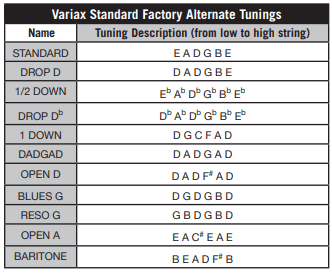
ALTERNATE TUNING Knob
None
DROP D, 1/2 DOWN, DROP Db, 1 DOWN, DADGAD, OPEN D, BLUES G, RESO G, OPEN A, BARITONE
See the image below.
Line 6 Variax Workbench HD (Application Software)
That Drop D Tuning, I just wanted to try it for fun!
I finally got the definite answer, thanks to Mr. Kurumada, the Japanese Opera Singer living in Germany. Yes, I can love both cello and electric guitar. In doing so, I will enjoy richer musical lives,
Mr. Kurumada is a professional vocalist living in Germany, and although he specializes in classical music, he enjoys listening to his favorite popular music in his spare time.
According to him, even in the time of Wagner and Brahms, classical music (accessible to only 0.75% of the population) and popular music (folk songs) coexisted. This was an eye-opener for me.
My theory is that most of the 0.75% of classical music listeners at the time would have listened to both classical and popular music, depending on the occasion and their mood. In other words, classical music listeners had more options and led richer musical lives than the majority (99.25%) of people. For example, the music played at city festivals and weddings would have leaned more toward popular music. However, as a hobby, I would dress up and go to a comic opera concert a few times a year as an extraordinary experience.
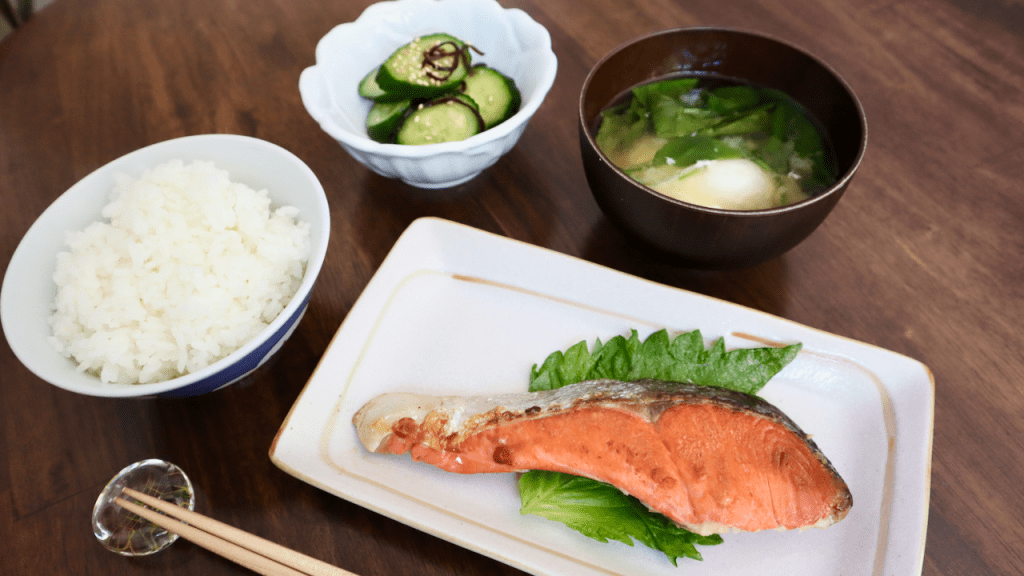
What if you’re an Italian chef, is it wrong for you to eat a traditional Japanese breakfast, like grilled fish, pickles, rice, and miso soup at home every day? Wouldn’t it be presumptuous for an outsider to say, “You’re an Italian chef by trade, so you should only eat Italian food in your private time. Master your craft. Don’t eat Chinese food, tonkatsu, tempura, sushi, or Japanese food until you stop being a chef.” In your private time, I insist you eat what you most crave at the moment, depending on your mood at that time of the day.
Furthermore, if you want to be a cutting-edge, top-class Italian chef, in addition to regularly monitoring rival Italian restaurants, you should also actively visit highly acclaimed restaurants in other genres to try new flavors, absorbing good things that aren’t available in Italian cuisine, adapting them, and incorporating them into your own recipes. Without this kind of curiosity and ambition, it will be difficult to reach a higher level.
There are famous restaurants that, at first glance, have been serving the same signature dish for years. In fact, they adapt to the changing times and customer tastes by making subtle changes (to the point that an amateur wouldn’t notice at first glance) to the seasoning, presentation, quantity, and serving method. If you take the attitude of “Who cares? I’m just faithfully following the recipes of my predecessors,” you will be left behind by the changing times and will end up closing your eatery, complaining that “all the customers these days don’t know what real food tastes like.”
If you are a Japanese baseball fan, have you wondered why high schoolers collect the sand from Koshien Stadium right after their defeat?
For many years, I dismissed the idea as stupid and meaningless. I thought bringing the sand home would not improve your team’s basecall skills.
As I get older, I start to see it differently. It’s got nothing to do with sports. It’s spiritual. 1. You appreciate the fortune that you were selected to pilgrimage to the sacred site. 2. You share your fortune with others who were not able to join the pilgrimage as a souvenir.
I figured out its root precisely. It’s the Shikoku 88 (四国八十八ヶ所霊場) Sand Stepping (お砂踏み). For high school baseball players, Koshien Stadium (甲子園球場) is the ultimate goal and destination where the national championship baseball games are played. You dedicate your whole life to winning in your local tournaments and representing your prefecture at Koshien. It’s a pilgrimage.
Because it’s a pilgrimage, before you leave the sacred ground, it’s a duty for the pilgrims to collect a portion of the sand to take it home for the people who supported them or were unable to join the pilgrimage.
Thus, handing out the sand in small packets would make sense.
For the Shikoku 88, they pushed the idea a little further. Instead of giving out 88 packets of sand, they use the sand from 88 sites to recreate a miniature or a shortcut version of the pilgrimage. Instead of spending weeks or months hiking, lodging, and visiting sacred sites in Shikoku, the guests would spend less than an hour visiting all 88 sites at their convenience.
Wait, there’s more. If you don’t have money or time to travel around the world, no worries. You can visit Tobu World Square to travel around the world in an afternoon.
Disclaimer: Those 2 images and 1 video were fake. They were AI-generated.
We Need to Talk About How Bad the Live Aid Led Zeppelin Reunion Was I agree with the writer. Phil Collins was arrogant in refusing to participate in the rehearsal. It was very unprofessional. He should have stepped off the stage. No wonder Jimmy Page and Robert Plant have hated him to this day.
Phil Collins was a drummer for Genesis (then he became the frontman, but that’s another story). But he was a has-been as a drummer in 1995. His solo career soared as a pop singer, and he was the man of the hour then. He claimed he was so busy and had no time to attend the rehearsal. Then, why did he sit behind the drum kit?
The other drummer, Tony Thompson, practiced with the band during rehearsals and played reasonably well on the Live Aid stage. Very professional. After all, Thompson drummed for Chic and Power Station before the Live Aid appearance. It was regretful that he passed away in 2003 at the age of 48.
In 1985, Led Zeppelin performed 3 iconic songs at Live Aid at John F. Kennedy Stadium in Philadelphia. Here is my analysis.
“Rock and Roll” – Collins’ drum was loose and sometimes off. At the end of the song, Page’s Les Paul went out of tune.
“Whole Lotta Love” – Page might have found his guitar went out of tune. However, he was so upset at Collins’ poor performance that he regretfully forgot to replace his guitar with a tuned one. Again, Collins’ drum was loose and sometimes off.
“Stairway to Heaven” – Page replaced Les Paul with tuned EDS-1275 (Double-Neck). The song was perfect until 6:20, because Collins was absent. The tragedy resumed when Collins decided to join. The remainder of the song sucked.
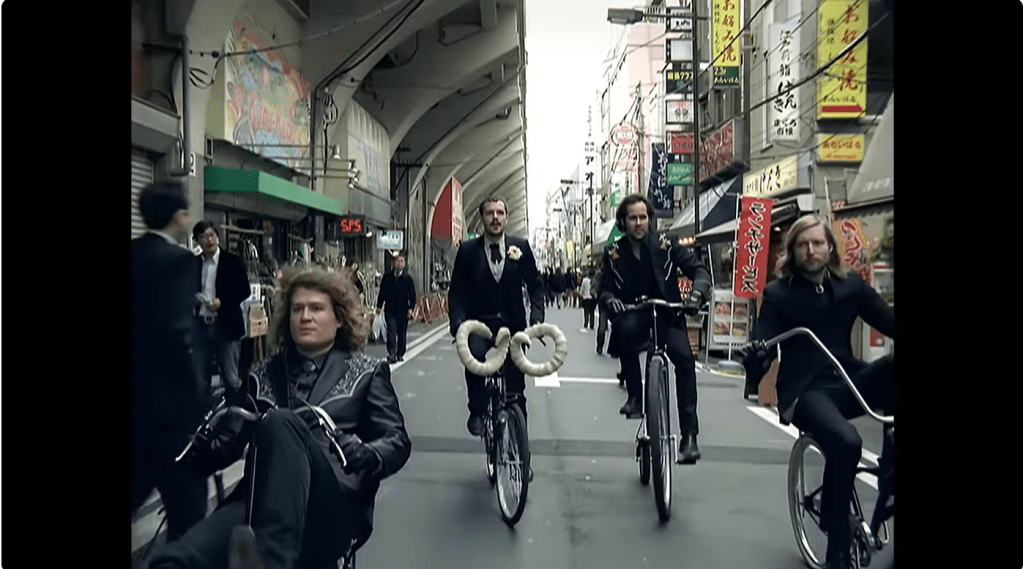
I like the song “Read My Mind” by the Killers. The video for the song was filmed in Tokyo.
I always thought the Japanese word “以心伝心” was a myth or misconception. The word was originally a Zen jargon. It meant that after many years of training together, the disciple could see a bit of the state of mind of their master.
Unfortunately, many modern Japanese misuse it for a false telepathic superpower, somehow possessed by all Japanese nationals. How can you read other people’s minds? A big bullshit.
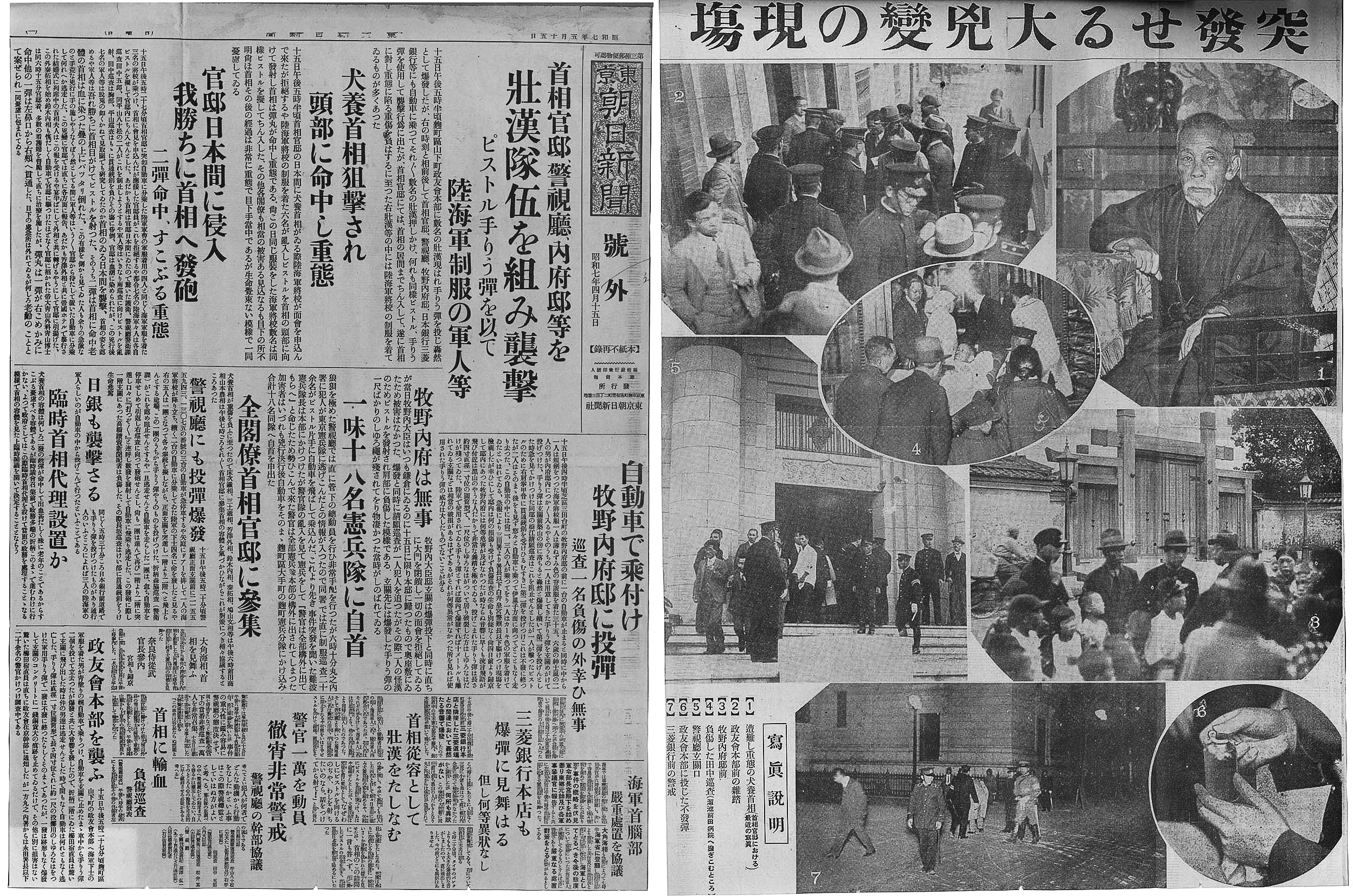
Another BS word was “話せばわかる。” meaning “If you allow me to talk through, you’ll understand why I did that.” It is usually the other way around. The opponents have tried all the measures to communicate with you. You arrogantly ignored. They became desperate. They knew you would not talk with them or even listen to them. They got so angry and were ready to kill you. Hello, they finally showed up in front of you with loaded guns. Your final words were “話せばわかる。” hoping that the listeners were naive enough to believe your lie.
It was answered by “問答無用” or “No conversation needed” by gunmen, and you, sir, Mr. Tuyoshi Inukai, then Prime Minister, were shot to death on 15 May 1932, according to the Wikipedia article.
Ukrainian sensation Aonishiki is on the way to becoming the second Yokozuna with Ukrainian heritage. Then, who was the first? It was one of the great Yokozunas, Taiho (大鵬), who was known as a Japanese at the time.
The Ukrainian Embassy in Japan has also confirmed this. 大相撲力士、大鵬幸喜の運命
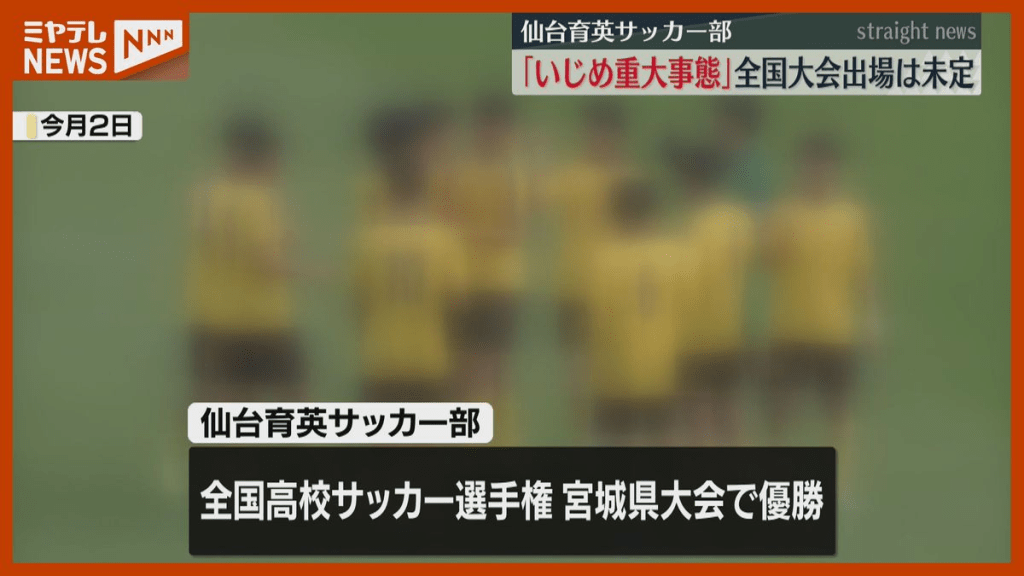
In Japan, Taiikukai (体育会) is a kind of old boys’ network based on the sport you played in your schools. I just hated it. I am glad that I am not part of it. On the contrary, my younger brother, Sanshiro, is a beneficiary of the system. And another of my younger brothers, Jiro, seemed to be in the system whether he liked it or not.
If you were a successful athlete, you would receive lifetime respect from your network (as in Sanshiro’s case). If you have proved your perseverance by not quitting the 3-year torture of the after-school extracurricular activity (部活動) at high school, you are also the winner in life (Jiro’s case). From the viewpoint of Taiikukai people, I was a quitter, loser, and outsider because I quit competitive swimming (競泳) at the age of 15, or at the end of junior high school (中学校).
When I started competitive swimming at a local fitness club (スポーツ会館) during elementary school (小学生), my Swimming coach, Mr. Shinryo Meguro (目黒伸良), never behaved like a Taiikukai-kei (体育会系). Instead, he was following the state-of-the-art teaching method of swimming in the United States. He also organized the Swim Camp in the summer in Yonezawa, Yamagata (山形県米沢市), and the spring in Tokyo. 2 hours of training on 5 days a week was challenging, but it was also fun.
After Coach Meguro resigned for a personal reason, things got worse. His successor was a young Taikukai-kei who graduated from Jyosai University (城西大学). He was the opposite of Coach Meguro. Bullying and verbal abuse crept in. He got angry for no reason. Swimming was no longer fun. He represented what Taiikukai was all about. I knew I should quit. Maybe meeting him was a blessing in disguise.
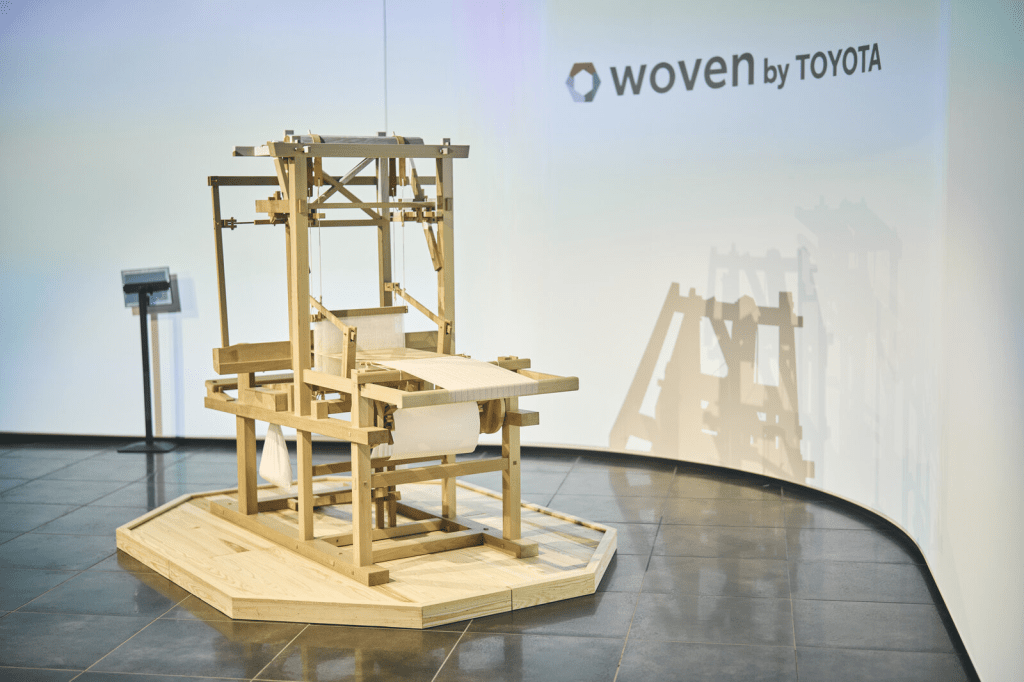
I have heard of the Toyota Woven City, but initially, I did not pay attention to its name’s origin. Suddenly, I realized it honors the founder of the Toyota group, Sakichi Toyoda, and his Toyoda Automatic Loom Works, Ltd, established in 1926. Sakichi is the great-grandfather of Akio Toyoda, Chairman of Toyota Motor Corporation.










 Taro's Blog